Get Out (2017)
 This film tackles issues of racism by portraying it as a horror plot. What is interesting in this film is that the villains are not presented as neo-nazis or other stereotypical racists but as middle class citizens. Perhaps this film came out as a response to the rise in outrage over police brutality targeting black people. Or over the rise of the black lives matter movement. The director, Jordan Peele, has spoke about making more horror films reflecting real social issues.
American Horror Story: Cult (2017)
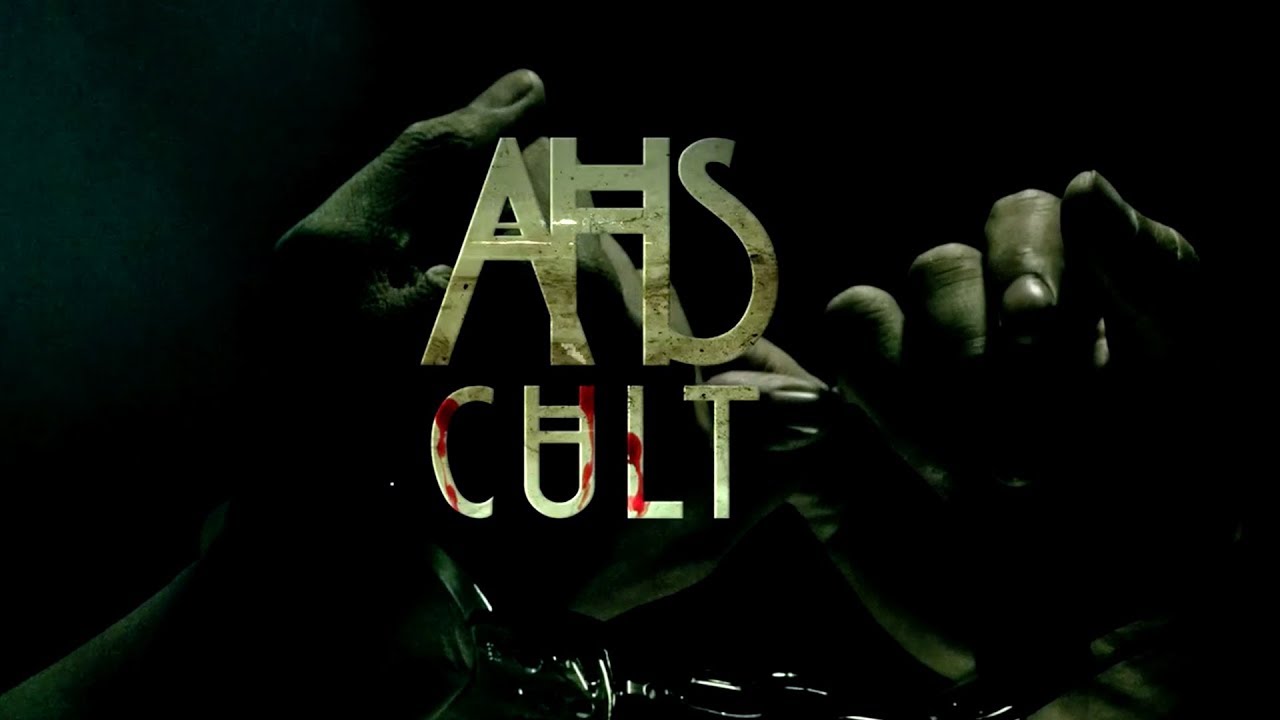 The latest season of American Horror Story has taken the anxiety of Trumps America and turned it into horror. The plot is about a cult of Trump supporters which clearly reflects the fear already present in our society. Although this series shows the very extreme side of the supporters, unlike Get Out, which could be emphasising how bad the things Trump is allowing are.
Kids (1995)
 This film came out at a time where society was scared of teenagers and their recklessness. The film completely conforms to that fear and capitalises on it to create something intriguing. It follows the day in the life of a group of teenagers, showing them living a completely reckless life full of drugs, alcohol and sex.
My Trailer
Our trailer could be seen as presenting teenagers as reckless and a danger to society. This is similar to Kids so could be a response to adults fear of teenage recklessness. However this is not a fear that is as present in today's society as it was in the 90's. Something that is seen in today's news is the discussion of contraception and abortion and whether they should be available to teenagers. This is because of the news of Trump taking away this right. To make the narrative more reflecting of current affairs we could have added to the plot that she gets pregnant or gets an STD. This would be making a comment about how these rights are essential to teenagers all over the world.